


Filing for Chapter 7 bankruptcy triggers an automatic stay that stops creditors immediately. This legal protection gives you breathing room while the court handles your case.
The Chapter 7 stay duration typically lasts three to six months, though the exact timeline depends on your specific situation. We at Hurst Law Firm, P.A. help Memphis TN residents understand what happens during each phase so you can prepare for the road ahead.
What Happens Right After You File
The Automatic Stay Activates Immediately
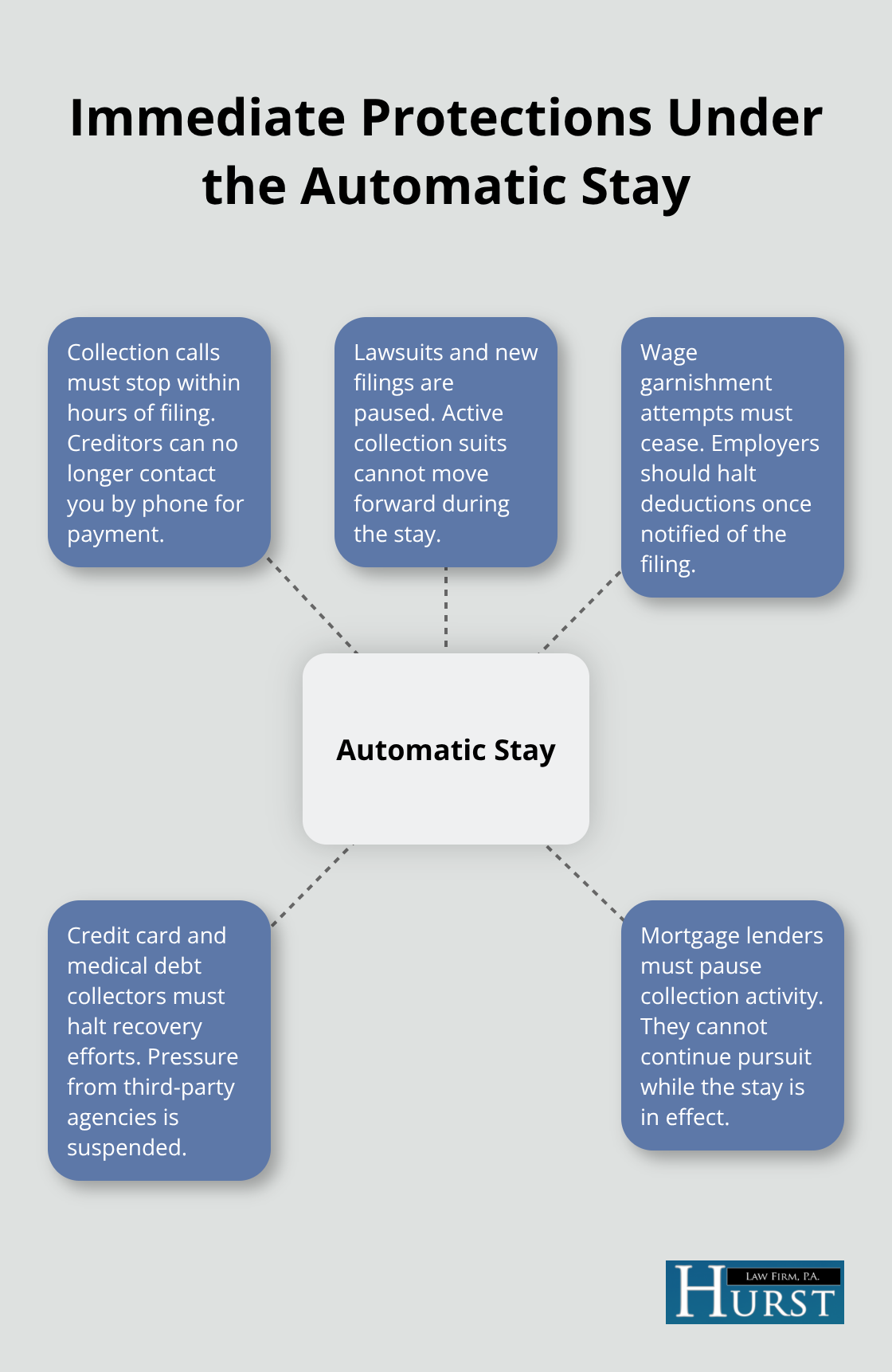
The moment you file Chapter 7 bankruptcy in Memphis TN, the automatic stay activates immediately. This isn’t something that takes days or weeks to process-it happens the same day your petition reaches the court. Creditors must stop all collection calls, letters, lawsuits, and wage garnishment attempts within hours of your filing. The U.S. Courts report that roughly 400,000 Chapter 7 cases are filed annually, and every single one receives this instant protection.
This immediate halt to collection efforts gives you actual relief from the constant pressure that likely pushed you toward bankruptcy in the first place. The stay blocks credit card companies, medical debt collectors, and even your mortgage lender from pursuing you further. If a creditor contacts you after filing, that violation can result in damages against them, which strengthens your position considerably.
Understanding Your Three to Six Month Timeline
Your Chapter 7 case typically wraps up between three and six months, though some cases resolve faster depending on your asset situation and how quickly the trustee completes their work. The U.S. Trustee Program requires the meeting of creditors to happen within 21 to 40 days of your filing. At this meeting, the trustee reviews your finances and creditors can ask questions about your situation.
After that meeting, the trustee evaluates whether you own any nonexempt assets worth liquidating to pay creditors. Most Chapter 7 filers in Memphis TN own only exempt property like your primary residence, personal vehicle, household goods, and retirement accounts (which means the trustee often has nothing to sell). If your case contains nonexempt assets, liquidation typically adds two to three months to your timeline.
When Your Discharge Arrives
The court issues your discharge order once the trustee completes their duties and no objections surface. This order permanently eliminates your unsecured debts like credit cards, medical bills, and personal loans. What happens next determines whether you truly move forward or repeat past financial patterns.
The Trustee’s Review and What It Means for You
Gathering Your Financial Documents
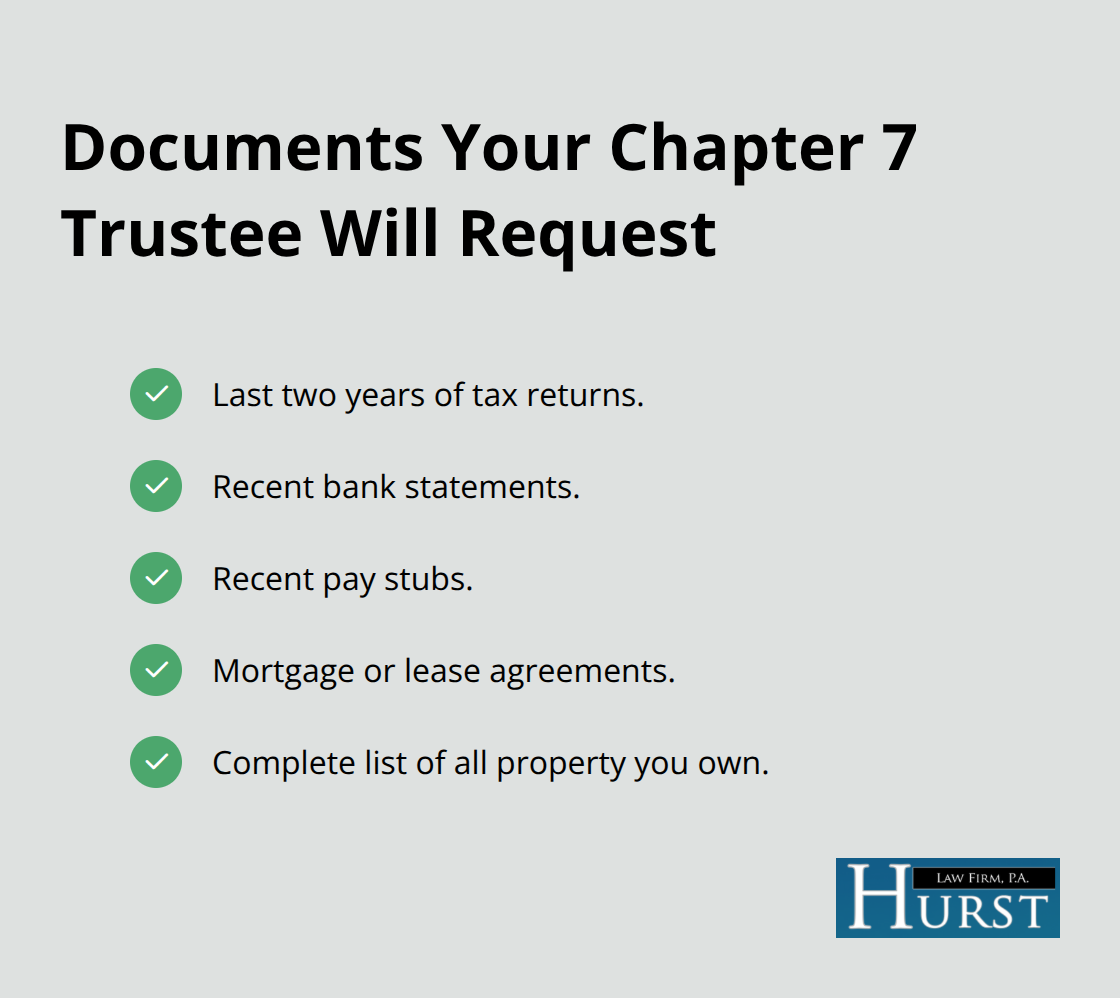
The Chapter 7 trustee assigned to your case will request extensive financial documentation within days of your filing. You’ll need to provide tax returns from the past two years, recent bank statements, pay stubs, mortgage or lease agreements, and a complete list of all property you own. The trustee uses this information to identify nonexempt assets that can be sold to pay creditors.
In Memphis TN, Tennessee law exempts your primary residence up to $25,000 in equity, one vehicle up to $4,500, household furnishings, and retirement accounts. This means most filers won’t lose personal belongings. The trustee isn’t trying to strip you bare-they’re following federal guidelines that protect essential items. Organizing your documents before your meeting of creditors happens speeds up this process considerably. The U.S. Trustee Program requires this meeting within 21 to 40 days of filing.
What Happens at Your Meeting of Creditors
This meeting isn’t a courtroom drama. Instead, you’ll sit across from the trustee and possibly one or two creditors in a conference room where they ask questions about your finances, income, and assets. Most meetings last under ten minutes. The trustee will ask how you accumulated your debt, whether you received any inheritance or tax refunds recently, and whether you own any valuable property.
Answer truthfully and directly. Lying to the trustee is a federal crime, so stick to facts. Your honesty during this meeting protects you and establishes the foundation for your discharge.
The Trustee’s Investigation and Asset Liquidation
After this meeting concludes, the trustee has roughly 60 days to complete their investigation. If you own nonexempt assets worth selling, liquidation typically takes two to three months. The trustee sells these assets and distributes the proceeds to creditors according to priority rules established by bankruptcy law.
Unsecured creditors like credit card companies receive whatever remains after secured debts and trustee fees are paid, which is often pennies on the dollar or nothing at all. This is why Chapter 7 provides such powerful relief-most people discharge their debts without creditors receiving meaningful payment. Once the trustee completes liquidation and distributes funds, your case moves toward the final discharge order that eliminates your remaining eligible debts.
Moving Forward After Your Discharge
Understanding Your Fresh Start
Your discharge order arrives in the mail within weeks of the trustee completing their work, and this document is the legal end of your Chapter 7 case. The order eliminates unsecured debts permanently, which means credit card companies, medical providers, and personal loan lenders can no longer pursue you for those balances. This fresh start is real and powerful, but what happens next depends entirely on the financial decisions you make during the next three to five years.
The Federal Reserve reports that bankruptcy filers who avoid taking on new debt within two years of discharge rebuild their credit scores significantly faster than those who immediately resume borrowing patterns. Your credit score will likely sit between 500 and 600 immediately after discharge, which feels devastating until you realize where it started. Many people file Chapter 7 with credit scores already destroyed by years of missed payments, collections, and charge-offs, so the discharge actually stops the bleeding and provides a foundation for recovery.
Rebuilding Your Credit Score
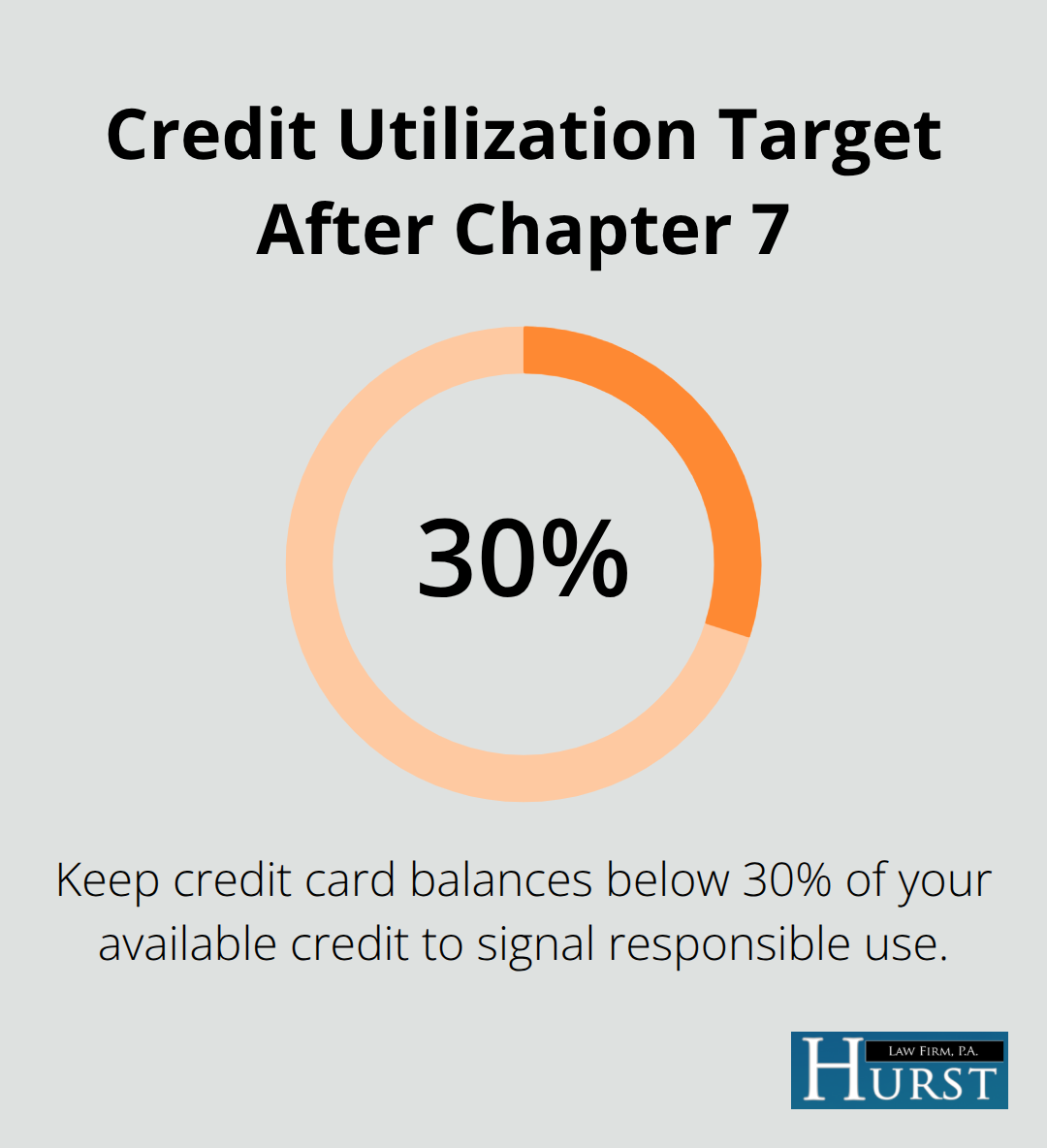
Start rebuilding immediately by obtaining a secured credit card from your bank, which requires a cash deposit that becomes your credit limit. Banks like Capital One and Discover offer secured cards specifically for people recovering from bankruptcy, and using one responsibly for six to twelve months demonstrates to lenders that you’ve changed your financial behavior. Pay every bill on time, keep credit card balances below 30 percent of your available credit, and avoid applying for multiple new accounts within short timeframes because each application triggers a hard inquiry that temporarily lowers your score.
The Consumer Financial Protection Bureau found that Chapter 7 filers who maintain stable employment and avoid new debt typically see credit scores improve by 100 to 150 points within two years of discharge. This improvement trajectory shows that recovery is achievable through consistent financial discipline.
Creating a Budget and Emergency Fund
In Memphis TN, we at Hurst Law Firm, P.A. recommend clients establish a written budget immediately after discharge, allocating portions of each paycheck to an emergency fund before spending on anything else. This prevents the financial emergencies that originally triggered your bankruptcy from repeating themselves. A solid budget (one that accounts for housing, utilities, food, transportation, and savings) protects you from sliding back into debt patterns that led to your Chapter 7 filing.
Final Thoughts
The automatic stay you receive when filing Chapter 7 bankruptcy in Memphis TN stops creditor harassment immediately and protects you during one of life’s most stressful financial moments. Understanding the Chapter 7 stay duration and what happens during each phase removes uncertainty from the process. You know creditors must cease collection efforts within hours of filing, the trustee will complete their review within roughly three to six months, and your discharge order will arrive to eliminate your unsecured debts permanently.
This timeline matters because it helps you prepare mentally and financially for each stage ahead. You won’t face surprises at the meeting of creditors, confusion about asset liquidation, or shock when your credit score needs rebuilding after discharge. Knowledge transforms bankruptcy from a terrifying unknown into a manageable process with clear milestones and predictable outcomes.
If you’re considering Chapter 7 bankruptcy or want to understand whether it’s the right option for your situation, reach out to Hurst Law Firm, P.A. for a consultation. We help individuals and families in Memphis TN get a fresh start from financial distress.