


Debt in Memphis TN can feel overwhelming, but you have more options than you might realize. Chapter 7 and Chapter 13 bankruptcy offer legitimate paths forward, along with other Memphis debt relief options that may work better for your situation.
We at Hurst Law Firm, P.A. help residents understand which strategy fits their financial circumstances. This guide breaks down your choices so you can make an informed decision.
How Chapter 7 Bankruptcy Eliminates Your Debt
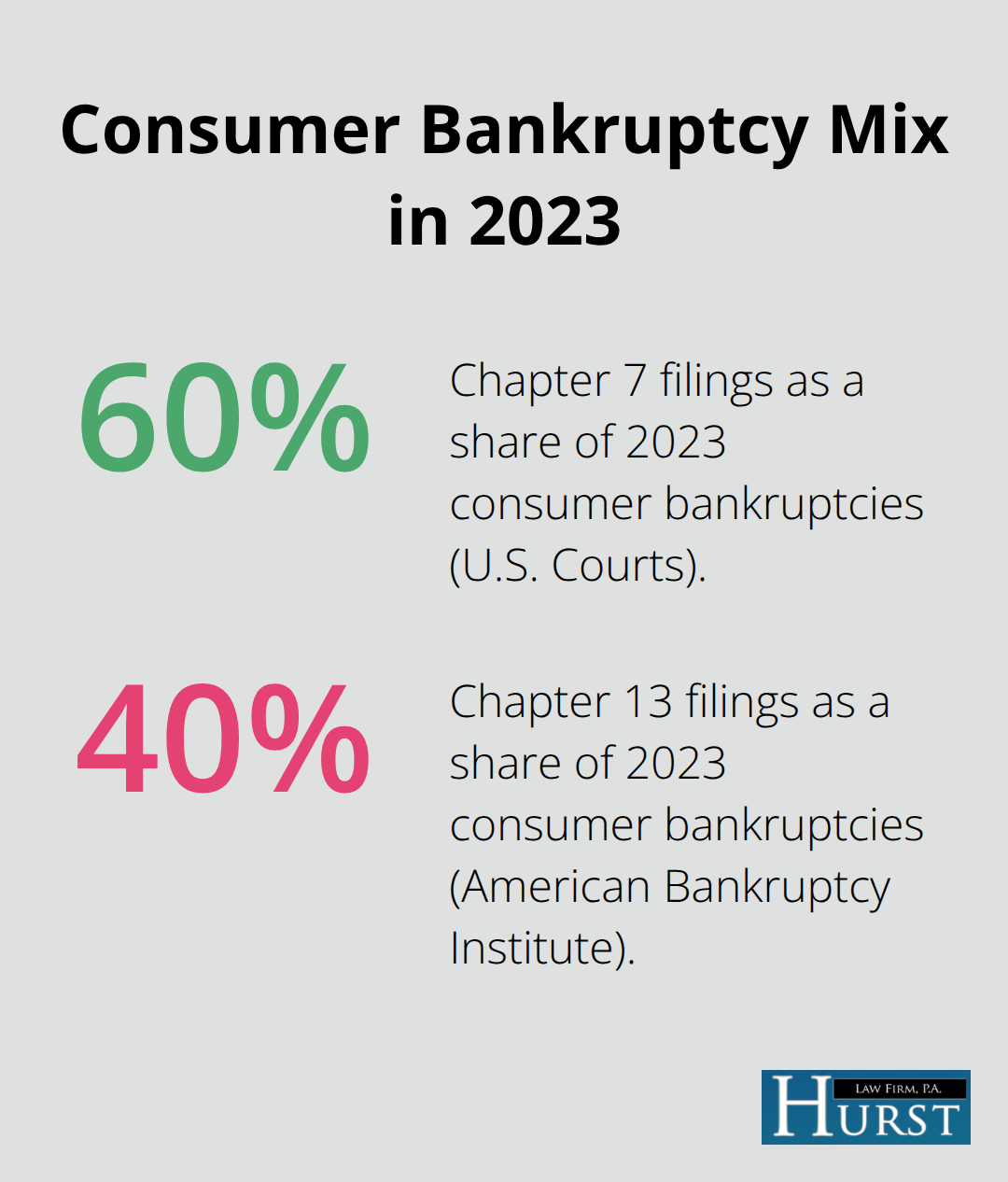
Chapter 7 bankruptcy works differently than most people expect. You don’t negotiate with creditors or create a repayment plan. Instead, a court-appointed trustee liquidates your non-exempt assets and distributes the proceeds to creditors, then discharges the remaining debt completely. This process takes about three to six months from filing to discharge. The U.S. Courts reported that over 400,000 individuals filed for bankruptcy in 2023, with Chapter 7 accounting for roughly 60% of those filings. Most Memphis residents who file Chapter 7 keep their homes and vehicles because Tennessee exemption laws protect significant property value.
Your primary residence receives homestead exemption protection up to certain limits, and vehicles typically qualify for exemption as well. Many people emerge from Chapter 7 with far fewer assets at risk than they feared.
Passing the Means Test Determines Your Eligibility
The means test isn’t actually complicated, despite its intimidating name. It compares your household income against the Tennessee median income to determine whether you qualify for Chapter 7. If your income falls below the state median, you pass automatically. If your income exceeds the median, the test applies expense deductions to see if you have disposable income. The U.S. Trustee Program sets these calculations annually, and for 2024, the median household income in Tennessee sits at approximately $68,000. Filing fees cost $335 in court costs plus attorney fees (which vary based on your specific situation). You must complete credit counseling from an approved provider before filing and financial management education after filing. These requirements help you avoid returning to unsustainable debt patterns.
The Court Process Moves Faster Than Chapter 13
Your Chapter 7 case follows a straightforward timeline. You file your petition with the court, and the trustee schedules a meeting of creditors typically 21 to 40 days later. At this meeting, the trustee asks questions about your assets and financial situation, though creditors rarely attend. Most cases conclude within 90 days if no complications arise. The trustee reviews your property, determines what qualifies for exemption under Tennessee law, and liquidates non-exempt assets if any exist. Many Chapter 7 cases involve minimal or no assets to liquidate because exemptions protect most household property. Unsecured debts like credit cards, medical bills, and personal loans disappear completely after discharge. You receive a discharge order from the court, and creditors cannot pursue collection activities afterward.
What Happens After Your Discharge
Once the court issues your discharge order, your financial obligations change dramatically. Creditors must stop all collection efforts immediately, including phone calls, letters, and lawsuits. The discharged debts no longer appear as active liabilities on your credit report (though the bankruptcy filing itself remains visible for seven to ten years). You can begin rebuilding your credit immediately by obtaining a secured credit card or becoming an authorized user on someone else’s account. Many people see their credit scores improve within one to two years after discharge because the bankruptcy removes the burden of unpaid debts. Your fresh start becomes official, and you can focus on establishing healthier financial habits moving forward.
Understanding Chapter 7 gives you clarity about one path forward, but Chapter 13 bankruptcy offers a completely different approach that works better for some Memphis residents. The choice between these two options depends on your income, assets, and long-term financial goals.
Chapter 13 Bankruptcy Keeps Your Assets While You Repay Debt
How Chapter 13 Works Differently From Chapter 7
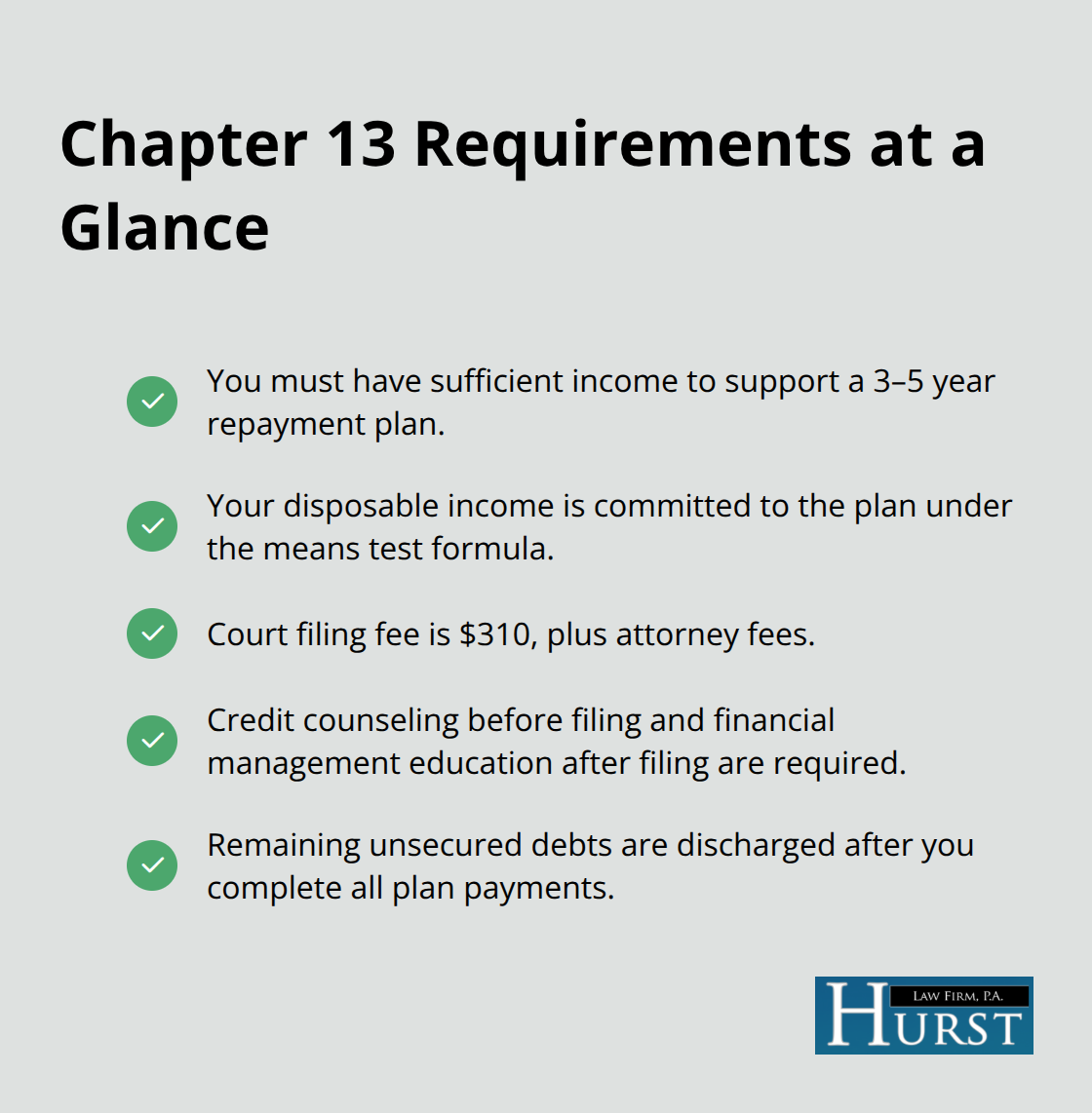
Chapter 13 bankruptcy takes the opposite approach from Chapter 7. Instead of liquidating assets, you keep everything and commit to a repayment plan that typically lasts three to five years. The court approves a plan where you pay a portion of your debts through monthly payments to a trustee, who distributes the money to creditors according to court-established priorities. Unsecured debts like credit cards often receive partial repayment or nothing at all, while secured debts like mortgages and car loans must be paid in full to protect those assets.
Why Chapter 13 Appeals to Memphis Residents
The American Bankruptcy Institute reports that Chapter 13 filings account for roughly 40% of all consumer bankruptcies, making it a substantial alternative for people who want to maintain their property. This option works particularly well for Memphis residents who have steady income, significant assets they want to protect, or debts that exceed what Chapter 7 would allow them to discharge. The payment plan amount depends entirely on your income and expenses, meaning you only pay what you can actually afford each month.
Protecting Your Home and Vehicle
Chapter 13 shines when you have equity in your home or vehicle that Chapter 7 wouldn’t protect under Tennessee exemption laws. If you fall behind on mortgage payments, Chapter 13 stops foreclosure immediately and lets you catch up on missed payments through your repayment plan over the full duration of the case. The same protection applies to car loans and other secured debts. You keep your property while reorganizing your obligations into manageable monthly payments.
Qualification and Filing Requirements
You must earn enough income to qualify, and the court calculates your disposable income using the same means test formula as Chapter 7, except Chapter 13 requires you to commit that disposable income to the repayment plan. Filing fees cost $310 in court costs plus attorney fees, and you must complete the same credit counseling and financial management education requirements as Chapter 7. The bankruptcy discharge occurs after you complete all plan payments (typically three to five years later) and eliminates remaining unsecured debts just like Chapter 7.
Your Path to Financial Reorganization
Chapter 13 gives you time to reorganize your obligations while preserving your financial foundation. Many Memphis residents find this approach preferable because it protects their assets and creates a structured path forward. The choice between Chapter 13 and Chapter 7 ultimately depends on whether you have property worth protecting and income sufficient to support a repayment plan. Understanding these differences helps you evaluate which option aligns with your specific financial situation and goals.
Beyond these two bankruptcy chapters, other debt relief strategies exist that may work better for your circumstances or complement your bankruptcy filing.
What Debt Relief Options Work Outside Bankruptcy
Debt Consolidation Reduces Your Interest Burden
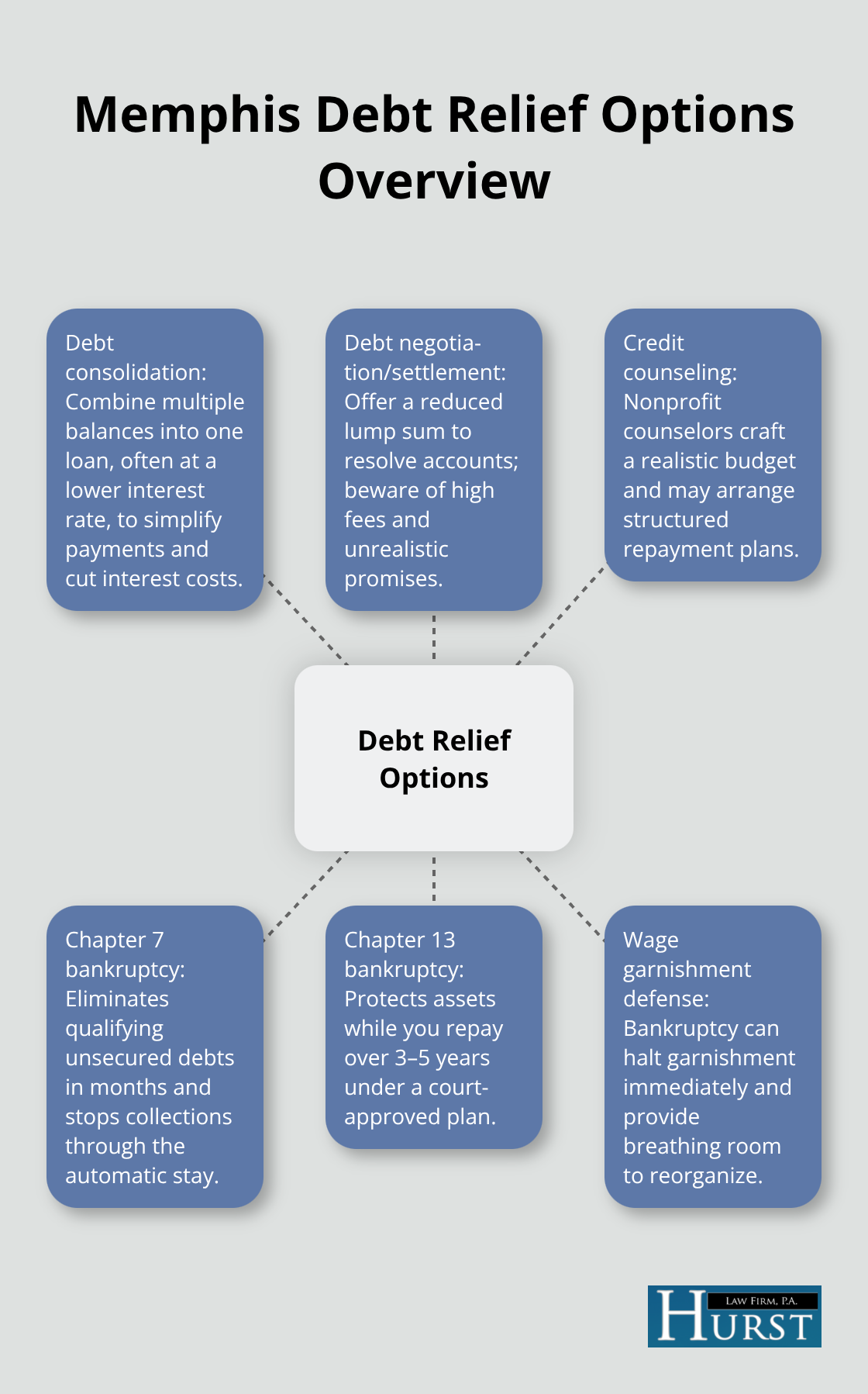
Debt consolidation pulls multiple debts into a single loan with one monthly payment, typically at a lower interest rate than credit cards charge. If you carry $15,000 across four credit cards averaging 22% interest, consolidation into a personal loan at 12% saves you roughly $1,800 annually in interest alone. However, consolidation only works if you stop accumulating new debt, which means addressing the spending patterns that created the original problem.
Debt Negotiation Offers Direct Settlement Options
Debt negotiation, sometimes called settlement, involves offering creditors a lump sum payment lower than what you owe to resolve the account completely. The Federal Trade Commission warns that debt settlement companies often charge high fees (sometimes 15-25% of the amount settled) and make promises they cannot guarantee. If you pursue this route, handle negotiations directly with creditors rather than paying intermediaries. Many creditors will negotiate when they realize the alternative is bankruptcy, where they recover nothing.
Credit Counseling Creates Realistic Financial Plans
Credit counseling from nonprofit agencies certified by the National Foundation for Credit Counseling provides real value beyond what most people expect. These counselors review your complete financial picture and create a realistic budget that addresses your specific income and expenses rather than theoretical averages. A personalized budget plan works far better than generic templates because it reflects your actual situation.
Wage Garnishment Demands Immediate Action
If you face wage garnishment, the court already took action against you, meaning negotiation becomes harder and your take-home pay shrinks immediately. Federal law limits wage garnishment to 25% of disposable income (or the amount exceeding 30 times the federal minimum wage, whichever is less), but that still devastates household budgets for people earning $35,000 annually. Collection defense through a bankruptcy filing stops garnishment immediately and gives you breathing room to reorganize your finances.
Timing Determines Your Financial Outcome
Waiting costs you thousands in interest, fees, and lost wages, while taking action early preserves your financial foundation and expands your available options. The longer you delay addressing debt problems, the more creditors tighten their grip through collection calls, lawsuits, and wage garnishment orders. Memphis residents who contact Hurst Law Firm, P.A. early in their financial struggles access more solutions than those who wait until creditors have already obtained court judgments.
Final Thoughts
Chapter 7 and Chapter 13 serve different financial situations, and you must assess your income, assets, and goals honestly to choose between them. Chapter 7 works best if you have minimal income and few assets worth protecting, offering a complete fresh start within months. Chapter 13 makes sense when you earn steady income, want to keep your home or vehicle, or have debts exceeding what Chapter 7 allows.
Beyond bankruptcy, Memphis debt relief options include consolidation, negotiation, and credit counseling, but these strategies only work if you address the underlying spending patterns that created your debt problem. Waiting to act costs thousands in accumulated interest and fees while creditors gain leverage through collection lawsuits and wage garnishment orders. The sooner you take action, the more control you retain over your financial outcome.
Contact Hurst Law Firm, P.A. for a consultation about which Memphis debt relief option fits your situation. We review your complete financial picture, explain your realistic options, and help you move forward with confidence. Financial recovery starts with taking action today rather than hoping your situation improves on its own.