


Filing for Chapter 7 bankruptcy in Memphis TN stops creditors immediately, but the path to discharge takes months. Understanding the Chapter 7 discharge timeline helps you prepare for each stage and know what’s coming next.
We at Hurst Law Firm, P.A. walk clients through this process regularly. This guide breaks down the key milestones from filing day through your fresh start.
What Happens in the First 30 Days After Filing
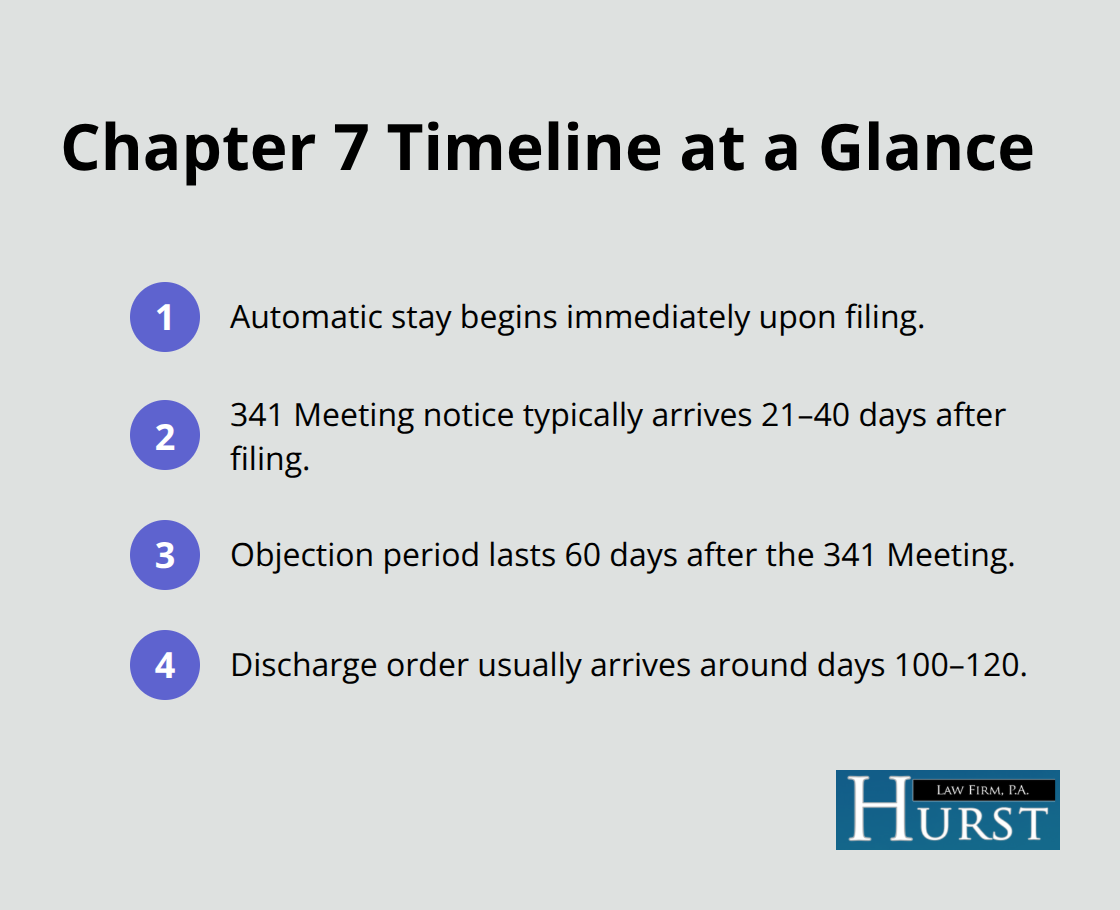
When you file Chapter 7 bankruptcy in Memphis TN, the automatic stay takes effect immediately, often within hours of your petition reaching the court system. This stops creditors from calling, sending collection letters, and pursuing wage garnishments or repossessions. The U.S. Bankruptcy Court assigns a trustee to your case and issues you a case number that same day. You’ll receive official notice of your 341 Meeting of Creditors, typically scheduled between 21 and 40 days after filing. Federal law sets this timeline, not court preference, so you can expect consistency across jurisdictions.
During these first weeks, your focus shifts from fighting creditors to organizing documents. The trustee will request pay stubs from the last 60 days, tax returns from the prior two years, bank statements, and a detailed list of all assets and debts. Submitting these documents promptly-within 7 to 14 days of request-keeps your case moving forward and prevents delays that can push your discharge date months later.
The 341 Meeting: What to Expect
The 341 Meeting of Creditors is a formal proceeding, but it rarely becomes adversarial. The trustee verifies the accuracy of your petition, identifies any assets that might be liquidated, and confirms there were no fraudulent transfers or hidden income. Typical questions cover whether you received any inheritance, lottery winnings, or tax refunds in the past 180 days, and whether you sold property or gave away assets recently. Creditors have the right to attend, but most don’t show up. You’ll need a photo ID and proof of your Social Security number. Attending in person works better than appearing by video, as trustees view it as more serious and engaged.
The 60-Day Objection Window
After the 341 Meeting, the trustee has roughly 60 days to file objections to discharge or raise concerns about your case. If no objections are filed, discharge follows automatically without further action from you. This 60-day window matters because the trustee reviews whether any assets exist and whether creditors have grounds to argue certain debts should not be discharged. Most cases move through this period without incident, but understanding what happens next helps you prepare for the discharge order that follows.
From Objections to Your Discharge Order
The 60-Day Objection Period
The 60-day objection period after your 341 Meeting is when the trustee and creditors decide whether to challenge your discharge. In reality, most Chapter 7 cases sail through this window without incident. The trustee files no objections in the vast majority of cases because debtors accurately report their finances and have no hidden assets. Creditors rarely object either, since they know unsecured debts like credit cards and medical bills will be wiped out regardless.
When Objections Actually Occur
Objections do happen in specific situations. If you made large purchases on credit cards within 90 days of filing, transferred assets to family members, or received unexpected income you didn’t disclose, the trustee may raise concerns. The Federal Rules of Bankruptcy Procedure give creditors until 60 days after the 341 Meeting to file objections. If objections are filed, your discharge gets delayed while the court resolves the dispute through an adversary proceeding. Accuracy on your petition matters enormously at this stage. Dishonesty costs far more than the truth ever would.
Your Discharge Order Arrives
Assuming no objections surface, you should receive your discharge order between 100 and 120 days after filing, which typically lands you around the three to four-month mark from petition to discharge. The court mails the discharge order and notice to you, the trustee, creditors, and the U.S. trustee. Once the discharge order is entered, the court’s discharge injunction takes effect immediately, prohibiting creditors from collecting any discharged debts. This is the moment your financial obligations end.
What the Discharge Injunction Protects
After discharge, creditors cannot call you about those debts, sue you, or report them as active obligations on your credit report going forward. If a creditor violates the discharge injunction and attempts collection, you can file a motion to reopen your case and seek civil contempt penalties against them. Many debtors report feeling immediate relief once the discharge order arrives in their mailbox. The paperwork proves legally that those debts are gone. Keep your discharge order in a safe place indefinitely, as you may need it to dispute inaccurate credit reporting or respond to any collector who ignores the discharge.
Moving Into Your Fresh Start
The discharge order marks the end of your Chapter 7 case, but it opens the door to rebuilding your financial life. With your debts eliminated, you can now focus on the steps that follow-understanding which obligations remain, protecting your credit score, and planning a stronger financial future ahead.
Your Financial Life After Discharge
Debts That Survive Chapter 7 Discharge
Your Chapter 7 discharge eliminates unsecured debts, but your financial obligations don’t disappear entirely. Certain debts survive discharge and demand your attention immediately. Child support and alimony obligations continue in full, with no reduction or forgiveness. Recent federal income taxes remain your responsibility, along with any government penalties assessed before your filing date.
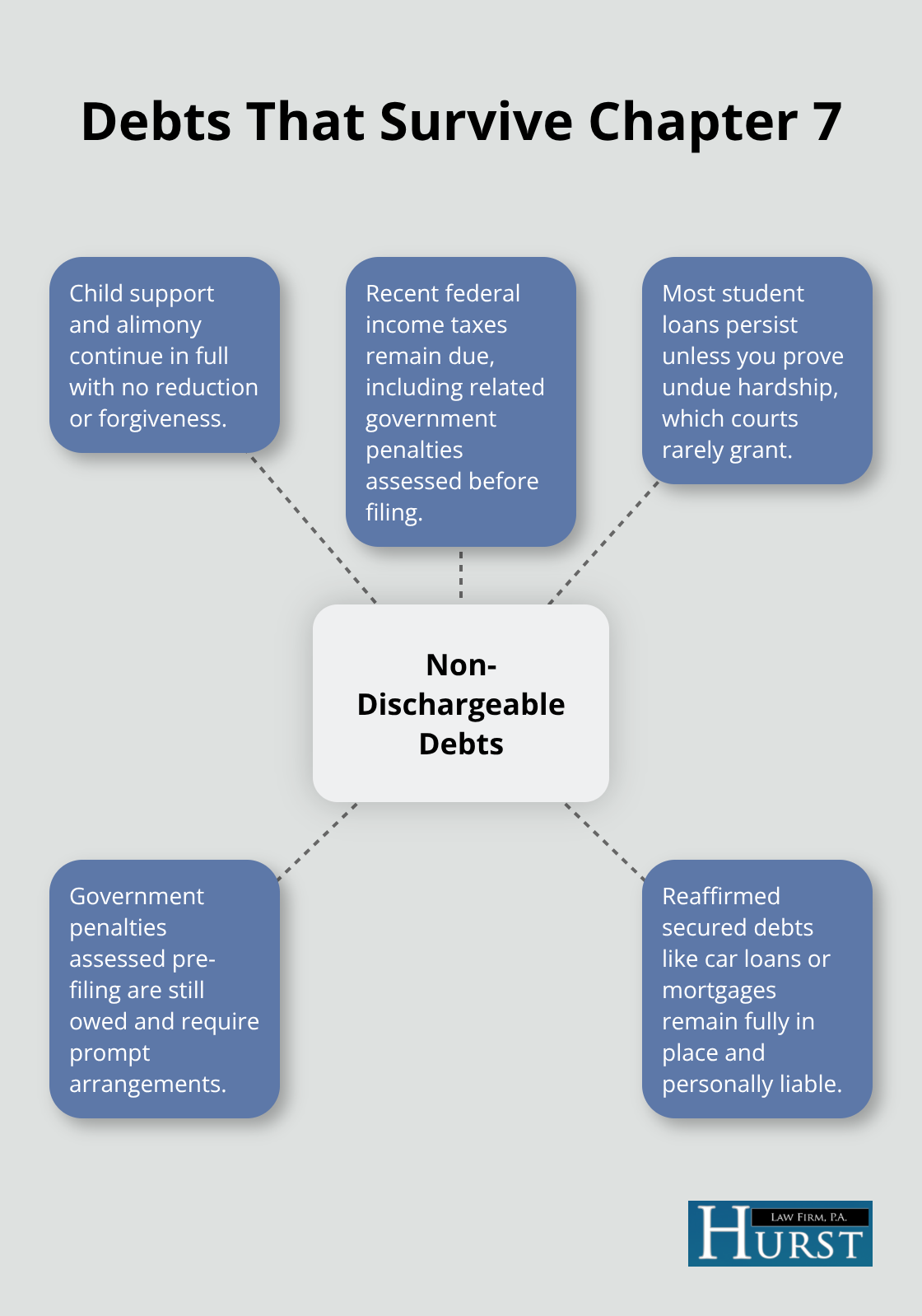
Most student loans cannot be discharged unless you prove undue hardship, a legal standard that courts rarely grant. These non-dischargeable debts require immediate payment planning after discharge.
If you owe any of these obligations, contact the creditor or government agency within days of receiving your discharge order to establish a payment arrangement. Ignoring these debts creates new legal problems and can trigger wage garnishment or tax refund seizure. Additionally, if you reaffirmed any secured debts like a car loan or mortgage during your case, those obligations remain fully in place. Reaffirmation means you chose to keep paying that debt and remain personally liable for it.
Rebuilding Your Credit Score After Discharge
Your credit score drops significantly from Chapter 7 filing, typically falling 130 to 200 points immediately, according to research from the Federal Reserve. The good news is that your score begins recovering faster than most people expect. Within two to three years of discharge, responsible debtors routinely reach credit scores of 620 to 650, making them eligible for conventional mortgages and auto loans again.
Secured credit cards, which require a cash deposit, become your primary tool for rebuilding immediately after discharge. Apply for one within 30 days of discharge and use it responsibly for six months to demonstrate creditworthiness to future lenders. Pay the card in full every month without exception. Authorized user status on someone else’s credit card with perfect payment history also accelerates score recovery.
Monitoring Your Credit Report and Progress
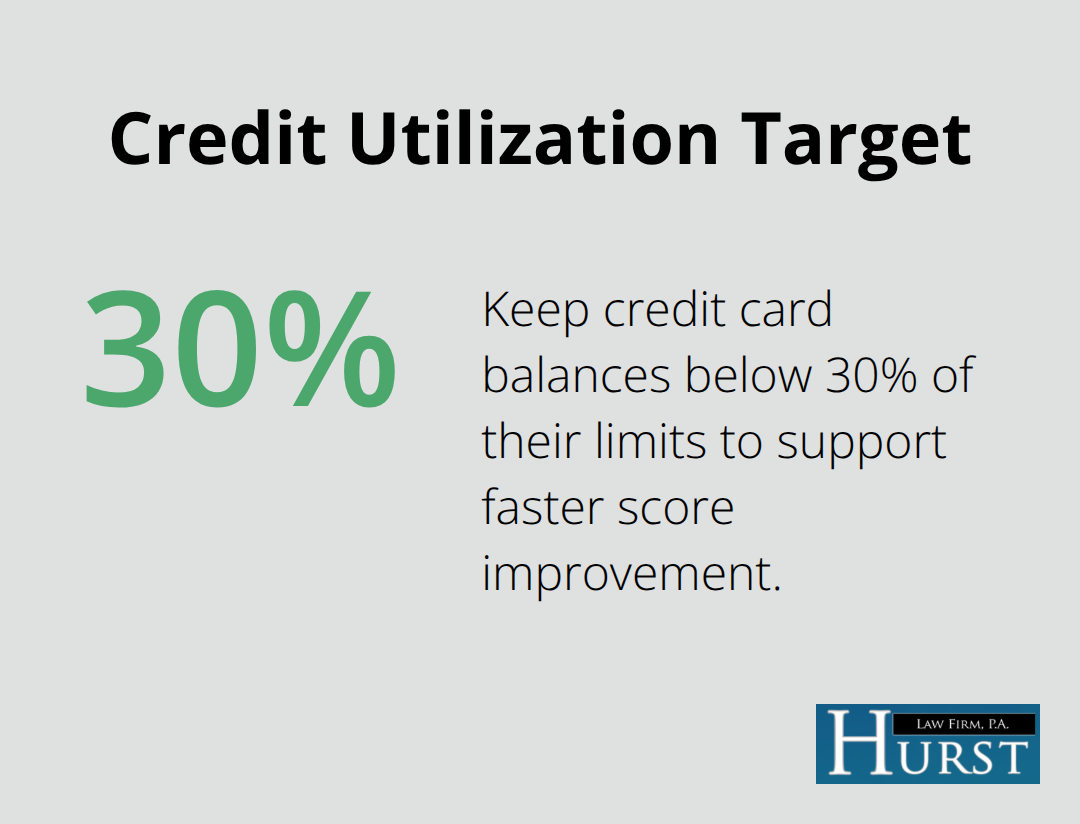
The discharge remains on your credit report for ten years but loses impact over time as newer, positive accounts age on your file. Check your credit report monthly through annualcreditreport.com to spot errors and dispute inaccuracies that could slow your recovery. Many debtors reach 700-plus credit scores within five to seven years of discharge by maintaining perfect payment habits and keeping credit card balances below 30 percent of their limits.
Final Thoughts
Your Chapter 7 discharge timeline spans roughly three to four months from filing to discharge order, but your financial recovery extends far beyond that court document. The automatic stay stops creditors immediately, the 341 Meeting occurs around day 21 to 40, the 60-day objection window passes quietly in most cases, and your discharge order arrives at the 100 to 120-day mark. We at Hurst Law Firm, P.A. walk clients through every stage of this process and help Memphis families navigate Chapter 7 bankruptcy with confidence.
After your discharge order arrives, non-dischargeable debts like child support and recent taxes still demand payment, and your credit score needs rebuilding through secured cards and responsible spending habits. The discharge stays on your credit report for ten years, but its impact fades as positive accounts age on your file. Your actions during these months-organizing documents early, attending meetings, completing the required financial management course, and responding promptly to trustee requests-directly control how fast you reach discharge and begin your fresh start.
If you face financial distress in Memphis, TN, contact Hurst Law Firm, P.A. for a free consultation. We explain your Chapter 7 discharge timeline, answer your questions, and help you determine if bankruptcy is the right path forward.